Impacts on renewable energy and hydroclimate (agriculture)
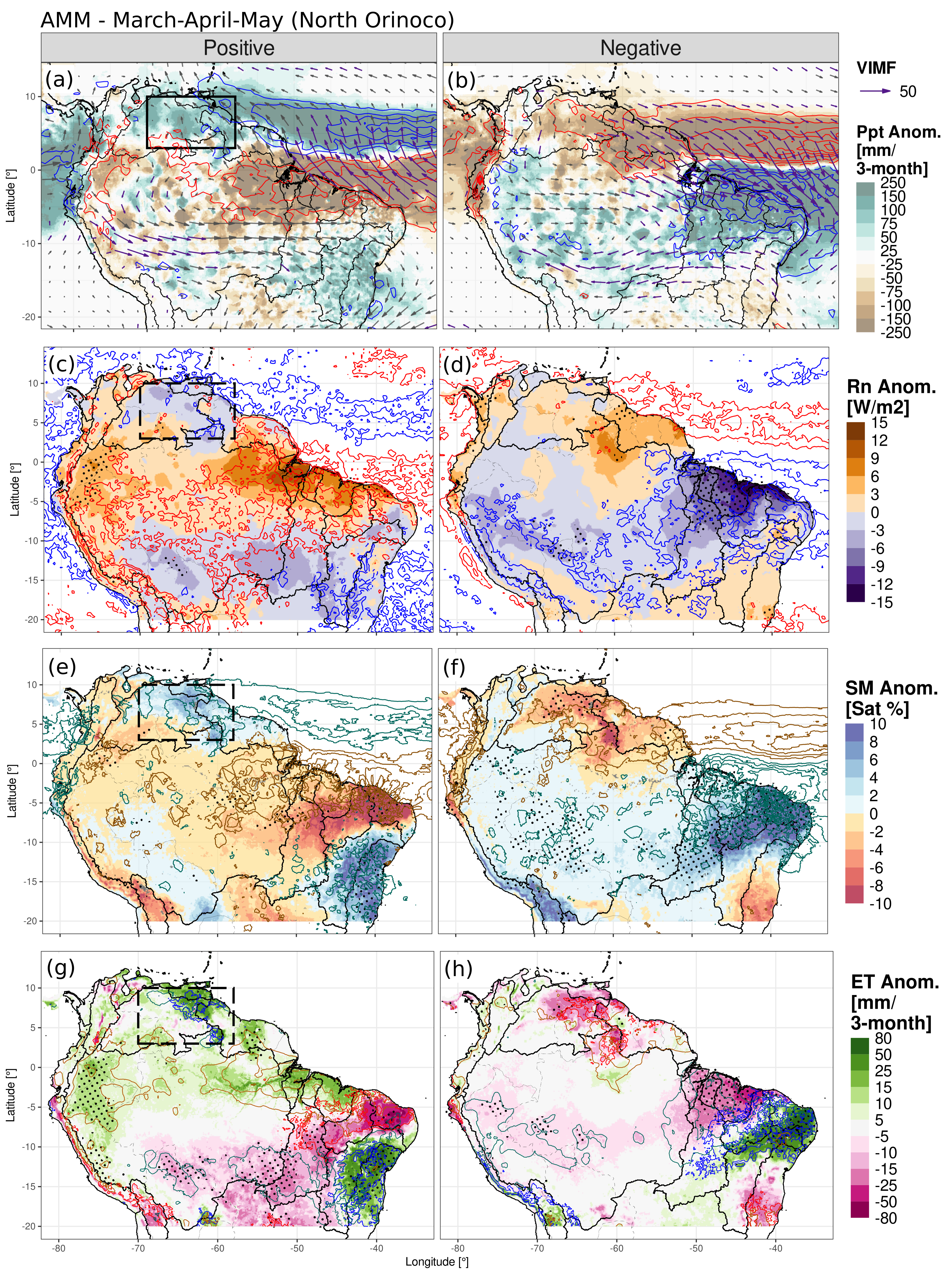
Figure 1:Chain of physical processes that connect the Atlantic Meridional mode and the Evapotranspiration in South America.
Ocean-atmospheric modes of variability alter the regional atmospheric circulation (winds), which then modifies other variables that cause weather changes over the continent (chain of processes). Hence, they impact the solar and wind energy, and also the soci-economic sectors that heavily use water (hydropower and agriculture). The chain of processes is shown in Figure 1, with the changes in moisture transport and convergence in the first row, the changes in net radiation (linked to solar radiation) and cloud cover in the second row, changes in soil moisture and precipitation in the third row, and the changes in evaporation in the fourth row. Specifically, the changes in wind speed, radiation and soil moisture are of high interest for the aforementioned socio-econmic sectors; for more information, you can consult Duque‐Gardeazabal et al. (2026), and Duque-Gardeazabal et al. (2025).
Atlantic meridonal mode and the equatorial mode (Atlantic El Niño)
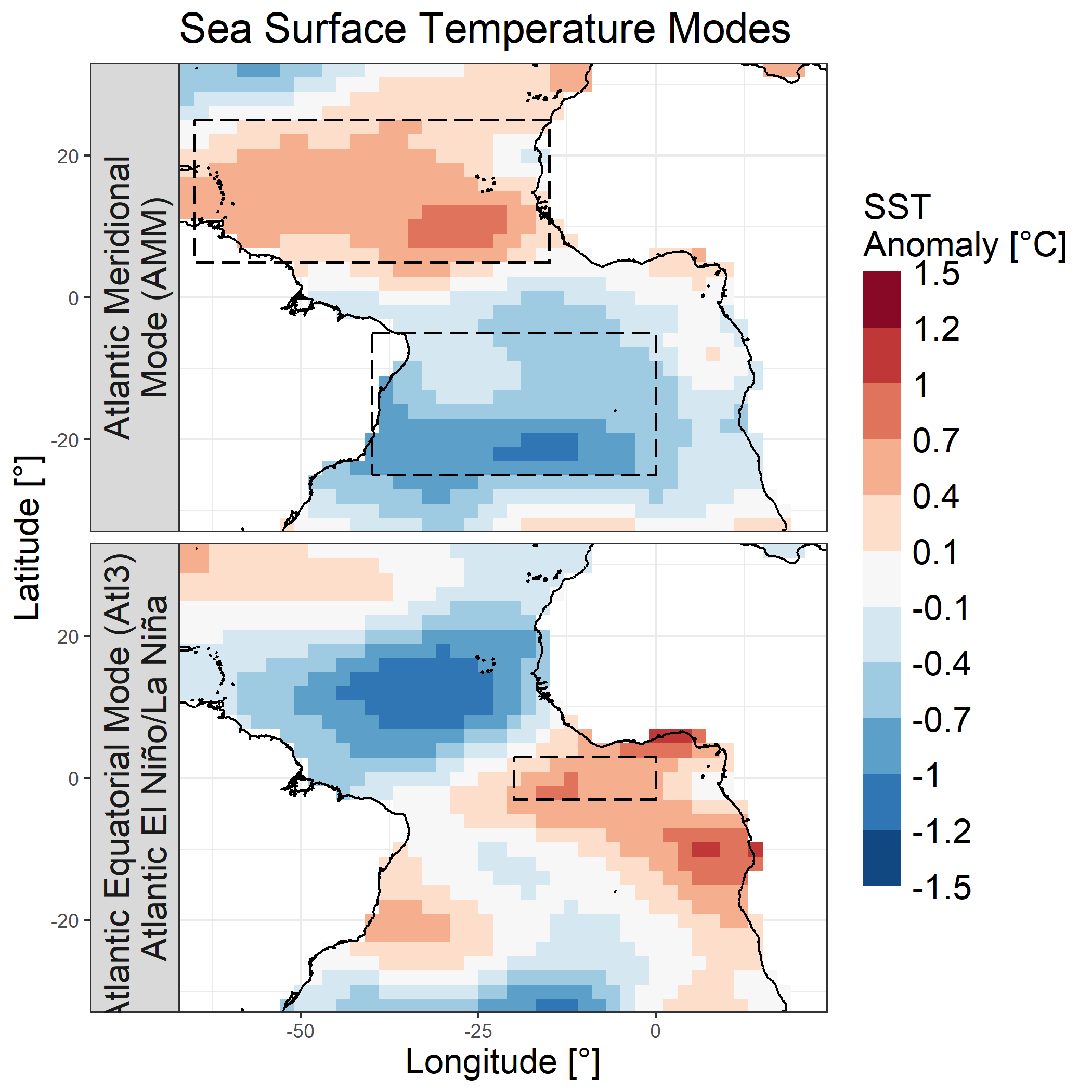
Figure 2:The two leading modes in the Atlantic ocean Sea Surface temperature (SST).
Other ocean-atmospheric phenomena - different from El Niño in the Pacific (ENSO) - influence the atmospheric circulation and create changes on continental local weather. For South America, modes of variability in the Atlantic also influence the tropical band of the continent (Figure 2); the most recurrent modes are the Atlantic Meridional and the equatorial mode (also known as Atlantic El Niño). Those modes are interlinked with ENSO via tropical and extratropical teleconnections (https://
Forecasting these modes is possible and thus we can predict the impacts they have in renewable energy and agriculture (climate services)
Current values - Atlantic modes
Date: 2026-09-04
Meridional mode: 0.34 - includes the retrival of global warming implicitly
Equatorial mode: 0.39 - includes global warming, this calculation does not retrieve the rising trend in SSTs (under construction)
- Duque‐Gardeazabal, N., Brönnimann, S., Friedman, A. R., Dolores‐Tesillos, E., & Martius, O. (2026). Solar and Wind Energy Variability in Tropical South America: Seasonal Ocean‐Atmospheric Modulators. Meteorological Applications, 33(2). 10.1002/met.70165
- Duque-Gardeazabal, N., Friedman, A. R., & Brönnimann, S. (2025). An Atlantic influence on evapotranspiration in the Orinoco and Amazon basins. Hydrology and Earth System Sciences, 29(14), 3277–3295. 10.5194/hess-29-3277-2025